Thyroid health plays a vital role in every stage of life. The thyroid gland controls many important body functions through hormone production. It helps regulate energy levels body temperature brain function heart rhythm digestion and metabolism. When the thyroid does not work properly many people experience tiredness poor focus dry skin hair loss weight changes and low mood. These symptoms often develop slowly which makes early detection difficult.
Many people rely only on blood tests to understand thyroid health. Blood tests are valuable but they may not always show long term mineral patterns that influence thyroid function. Hair Mineral Analysis offers another way to study the balance of essential minerals and the presence of toxic metals. This test provides useful information about nutritional status over several months instead of showing only a single moment.
Hair Mineral Analysis has become a popular tool for people who want a deeper understanding of their health. It helps identify mineral imbalances that may support better thyroid function through proper nutrition and lifestyle changes. This article explains how Hair Mineral Analysis works why minerals matter for thyroid health and how this approach can support a complete wellness plan.
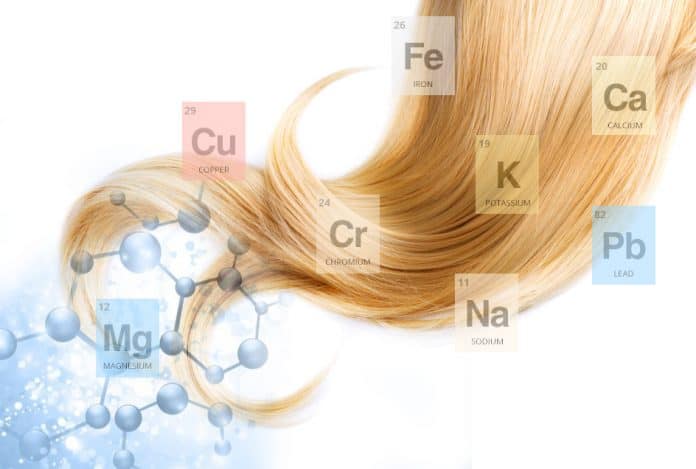
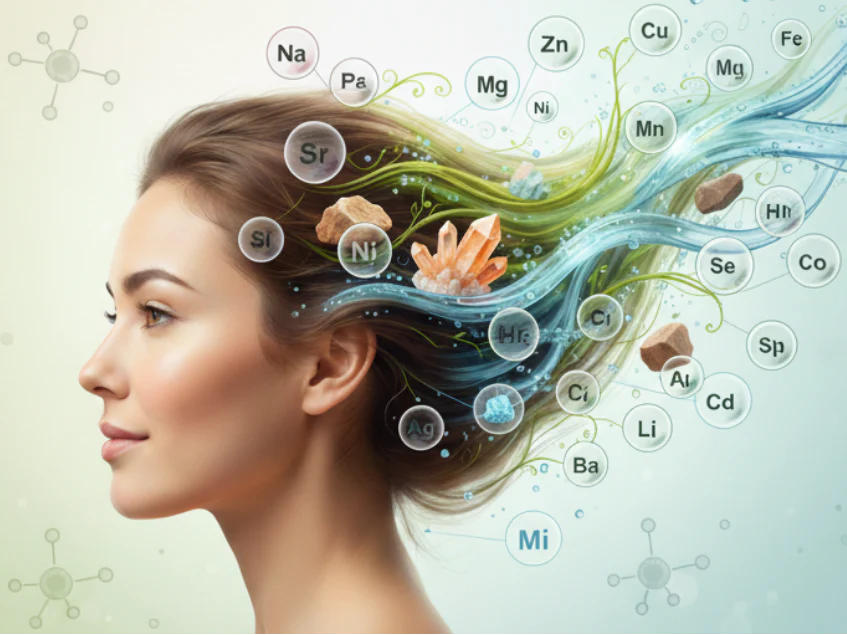
Hair Mineral Analysis is a laboratory test that measures the level of essential minerals and toxic metals stored in hair tissue. A small hair sample is collected from the back of the head and sent to a certified laboratory for detailed testing. Hair grows slowly over time. During this process minerals become part of the hair structure. This makes hair a useful record of mineral status across several months. Unlike blood tests which can change throughout the day Hair Mineral Analysis reflects longer term trends.
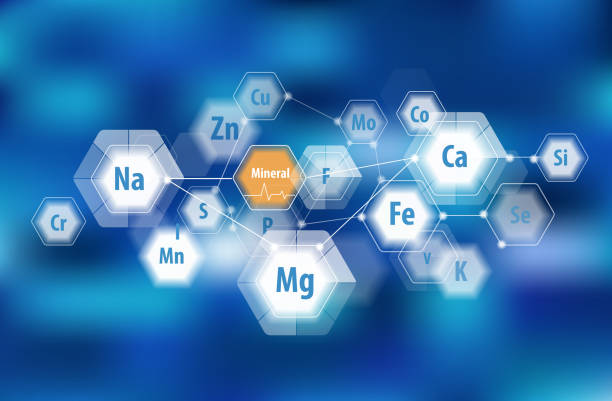
The test commonly measures minerals such as calcium magnesium zinc copper sodium potassium iron and selenium. Many laboratories also examine toxic metals including mercury lead arsenic cadmium and aluminum. These results help practitioners evaluate nutritional balance and possible environmental exposure.
The thyroid gland depends on many minerals to perform its normal functions. Each mineral has a specific role in hormone production hormone activation and overall metabolic health. Selenium supports the conversion of inactive thyroid hormone into its active form. Zinc helps hormone production and supports immune health. Magnesium supports hundreds of body reactions including energy production and muscle function. Iron helps transport oxygen and supports healthy thyroid activity.
Copper and calcium also play important roles when they remain in proper balance. Too much or too little of certain minerals may influence body functions that support thyroid health. Hair Mineral Analysis helps identify patterns that may suggest nutritional imbalances. These findings can guide dietary improvements and professional nutritional planning.
Hair Mineral Analysis does not diagnose thyroid disease. Instead it provides additional information that may help explain why some people continue to experience symptoms even when standard blood tests appear normal. The test can reveal low mineral levels high mineral levels or unusual mineral relationships. These patterns may indicate nutritional stress poor absorption or long term imbalance.
Healthcare practitioners often review Hair Mineral Analysis together with medical history symptoms blood tests and lifestyle factors. This broader approach creates a more complete picture of overall health. When mineral balance improves many people report better energy improved sleep stronger hair healthier skin and greater physical wellbeing. Results vary because every person has unique nutritional needs.
Heavy metals may interfere with many natural body processes. Long term exposure to mercury lead cadmium and arsenic has received increasing attention because these substances may affect hormone balance and cellular health. Heavy metals can enter the body through polluted air contaminated food drinking water old paint industrial work and certain consumer products. Over time they may accumulate in body tissues.
Hair Mineral Analysis can detect elevated levels of several toxic metals. This information may help identify possible environmental exposure. If high levels appear healthcare professionals may recommend further medical evaluation and safe exposure reduction strategies. Reducing contact with toxic metals while supporting proper nutrition may help improve overall wellness. Professional guidance is important because detox programs should always be based on individual health needs.

Hair Mineral Analysis often identifies mineral patterns instead of focusing on only one mineral. These patterns may provide valuable insight into body function. Low sodium and potassium may reflect reduced adrenal activity. High calcium with low potassium may suggest slower metabolic patterns. Zinc and copper balance is often reviewed because both minerals influence immune health and hormone activity.
Magnesium deficiency may affect muscle function energy production and stress response. Selenium levels are also important because this mineral supports thyroid hormone activation. Qualified practitioners examine these relationships carefully before making nutritional recommendations. Proper interpretation requires professional knowledge because results should never be viewed without considering the whole health picture.
Mineral balancing focuses on restoring healthy nutritional status through food targeted supplements and positive lifestyle habits. Hair Mineral Analysis provides valuable information that supports this personalized approach. A balanced eating plan should include whole foods rich in vitamins minerals healthy fats lean protein fruits vegetables nuts seeds and whole grains. Drinking enough water supports normal body function every day.
Some people may benefit from specific mineral supplements when laboratory findings and professional evaluation show a genuine need. Supplement plans should always be personalized because unnecessary supplementation may create new imbalances. Regular physical activity quality sleep stress management and avoiding tobacco also support healthy thyroid function and overall wellness.
Hair Mineral Analysis may be useful for people who experience ongoing fatigue hair loss poor concentration mood changes slow recovery or other symptoms linked with nutritional imbalance. It may also help those interested in preventive health and long term wellness. People with family histories of thyroid conditions sometimes choose Hair Mineral Analysis as part of a broader health evaluation. Athletes busy professionals and individuals following restricted diets may also benefit from learning more about their mineral status.
The test should always be viewed as one part of a complete health assessment. Medical diagnosis should rely on qualified healthcare professionals who can interpret laboratory findings together with physical examination and blood testing when needed.
The quality of a Hair Mineral Analysis depends on the laboratory and the experience of the practitioner interpreting the results. Choosing a trusted testing service increases confidence in the findings. Look for laboratories that follow strict quality standards and use advanced analytical equipment. Reliable services provide detailed reports with clear explanations of mineral levels and mineral relationships.
Professional guidance is equally important. Experienced practitioners explain the results in simple language and develop personalized nutritional plans based on individual health goals. Following recommendations consistently often provides better long term results than making sudden changes without proper advice.
Hair Mineral Analysis is a laboratory test that measures essential minerals and toxic metals stored in hair. It provides insight into long term mineral balance and nutritional health.
No. Hair Mineral Analysis cannot diagnose thyroid disease. It is a wellness tool that helps identify mineral patterns which may support thyroid health when combined with medical evaluation.
Selenium zinc magnesium iron copper and iodine all support healthy thyroid function. A proper balance of these minerals is important for normal hormone activity.
Yes. Many Hair Mineral Analysis tests can identify heavy metals such as mercury lead arsenic cadmium and aluminum that may affect overall health.
People with ongoing fatigue hair loss stress poor energy brain fog or suspected mineral imbalance may benefit from Hair Mineral Analysis after consulting a qualified healthcare professional.
Hair Mineral Analysis offers valuable insight into the mineral balance that supports healthy thyroid function. While it does not replace medical diagnosis or standard thyroid testing it provides important information about nutritional status and possible heavy metal exposure. Understanding these patterns can help guide better food choices targeted supplementation and healthier daily habits.
Healthy thyroid function depends on many factors including proper nutrition balanced minerals quality sleep regular movement and professional medical care when necessary. Hair Mineral Analysis can become an important part of a complete wellness strategy by revealing long term mineral trends that blood tests may not fully capture. When combined with expert guidance this approach helps many people make informed decisions that support lasting health improved energy and better quality of life.