
Good health depends on many important nutrients that work together every day. Many people spend time and money on vitamin supplements because they believe vitamins provide the best support for the body. Vitamins are certainly valuable but they cannot perform their jobs without the right mineral balance. Minerals help every organ every cell and every body system function correctly. They support energy production healthy muscles strong bones hormone activity brain function and immune strength. Without enough minerals the body cannot use vitamins as effectively as it should.
Modern diets often contain processed foods that provide fewer essential minerals than fresh whole foods. Stress poor sleep digestive problems and environmental pollution can also reduce mineral levels over time. This hidden problem may lead to tiredness weak immunity poor focus and many other health concerns. Understanding mineral balance helps people make better health decisions and improve long term wellness. This article explains why mineral balance matters more than vitamins and why it should become an important part of every healthy lifestyle.

Minerals are essential nutrients that the human body cannot produce naturally. Every person must obtain these nutrients through food or suitable nutritional support. Minerals help create the foundation for healthy growth strong bones healthy muscles balanced hormones and proper nerve activity.
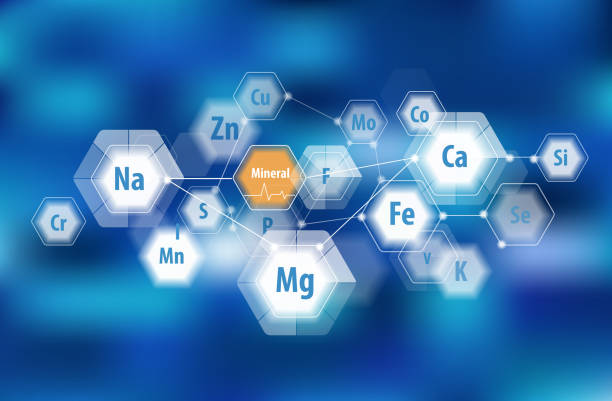
Calcium magnesium potassium sodium zinc iron copper selenium and many other minerals each perform unique tasks inside the body. Every mineral supports different biological functions while also working together with other minerals. When one mineral becomes too high or too low it can affect many other systems. This is why balance is much more important than simply increasing one nutrient.
Many people believe vitamins alone provide all the nutrition they need. The truth is very different. Vitamins often depend on minerals before they can perform their natural functions. Vitamin D helps the body absorb calcium. Magnesium helps activate vitamin D inside the body. Zinc supports the function of vitamin A. Iron works closely with several B vitamins during red blood cell production. Selenium supports antioxidant activity together with vitamin E.
Without enough minerals many vitamins cannot perform their jobs efficiently. This means a person may continue taking vitamin supplements without experiencing the expected health improvements. Restoring mineral balance often helps the body use vitamins more effectively.
Mineral imbalance may develop slowly over months or even years. Many people do not notice the problem until symptoms become more serious. Low magnesium may contribute to muscle cramps poor sleep anxiety and fatigue. Low zinc may reduce immune function and slow wound healing. Too much copper compared with zinc may influence mood and hormone balance. High sodium combined with low potassium may affect heart health and blood pressure.
Each mineral interacts with many others. When balance changes the body may struggle to maintain normal function. Correcting these relationships supports better health across multiple body systems instead of treating only one symptom.
Modern lifestyles create many challenges for maintaining healthy mineral levels. Busy schedules often lead people toward processed foods instead of fresh nutrient rich meals. These foods usually contain fewer essential minerals. Emotional stress also increases the demand for minerals. The body uses larger amounts of magnesium zinc and other nutrients during stressful periods.
Poor sleep digestive disorders intense exercise and certain medications may also reduce mineral stores. Environmental pollution can expose people to heavy metals that interfere with healthy mineral balance.

Many people experience constant tiredness even after getting enough sleep. While many factors influence energy mineral balance plays an important role. Iron helps transport oxygen throughout the body. Magnesium supports hundreds of enzyme reactions that produce cellular energy. Potassium helps muscles and nerves function normally. Sodium helps maintain fluid balance and nerve communication.
When these minerals remain balanced the body can create and use energy more efficiently. Many people notice improved focus better endurance and greater daily performance after correcting nutritional imbalances through proper guidance and healthy eating habits.
Hormones control many important functions including growth metabolism sleep mood and reproduction. Mineral balance strongly influences healthy hormone production and regulation. Magnesium supports stress hormone regulation. Zinc contributes to reproductive health in both men and women. Selenium supports normal thyroid function. Iodine also plays a vital role in healthy thyroid hormone production.
When mineral levels become unbalanced hormone activity may become less efficient. This may contribute to low energy mood changes poor sleep and reduced wellbeing. Supporting healthy mineral balance encourages natural hormone function and overall health.
Many health problems develop long before obvious symptoms appear. Hair Mineral Analysis offers another way to understand long term mineral patterns within the body. Unlike some laboratory tests that reflect only short term changes Hair Mineral Analysis measures mineral deposits that accumulate over several weeks. This provides useful information about nutritional balance mineral relationships and possible exposure to certain heavy metals.
Qualified health professionals may use Hair Mineral Analysis together with health history lifestyle information and other assessments to develop nutritional recommendations. This approach may help identify hidden imbalances that deserve further attention.
Many people believe taking larger amounts of vitamins will solve every health concern. However more supplements do not always produce better results. The body requires balance rather than excess. Too much of one nutrient may reduce the absorption or activity of another nutrient. Healthy eating habits combined with balanced nutrition usually provide better long term results than relying only on supplements.
A diet rich in vegetables fruits lean protein nuts seeds whole grains and healthy fats provides many essential minerals in natural forms. Drinking enough water managing stress staying physically active and getting quality sleep also support healthy mineral status.

Mineral balance supports healthy body functions including energy production hormone activity immune strength nerve function and bone health. A balanced mineral profile also helps the body use vitamins more effectively.
Many vitamins depend on minerals to perform their roles inside the body. Without proper mineral levels vitamin absorption activation and effectiveness may decrease.
Hair Mineral Analysis is a laboratory test that measures mineral levels and mineral patterns found in a hair sample. It may also provide information about possible heavy metal exposure and nutritional balance.
Common signs include low energy poor sleep muscle cramps brain fog mood changes weak immunity hair problems and slow recovery after exercise.
You can support healthy mineral balance by eating whole foods drinking enough water managing stress improving sleep and seeking professional guidance when necessary. Hair Mineral Analysis may also help identify nutritional imbalances.
Mineral balance is one of the most important foundations of long term health. Vitamins remain valuable but they cannot perform their roles without adequate mineral support. Every organ every tissue and every cell depends on balanced minerals to maintain normal function. Modern lifestyles poor diets stress and environmental factors make mineral imbalance more common than many people realize.
Understanding the importance of minerals helps people move beyond simply taking more vitamins. A balanced nutritional approach supports stronger energy healthier hormones improved immunity better brain function and overall wellbeing. Hair Mineral Analysis may also provide valuable insight into long term mineral patterns and nutritional status.
Focusing on mineral balance creates a stronger foundation for lasting health. Small improvements in nutrition daily habits and professional guidance can help restore this balance and support a healthier future for people of every age.