

A Hair Mineral Analysis Report gives valuable details about the mineral levels inside your body. Many people receive their report but feel confused because the information looks technical and difficult to understand. Learning how to read a Hair Mineral Analysis Report can help you understand your nutritional condition and support better health decisions. This report does not only show mineral levels. It also explains how different minerals work together and how possible heavy metal exposure may affect your body.
Every result should be studied carefully because each mineral has an important role in energy production immune support brain function hormone balance and overall wellness. This guide explains every important section in simple language so you can understand your report with greater confidence.
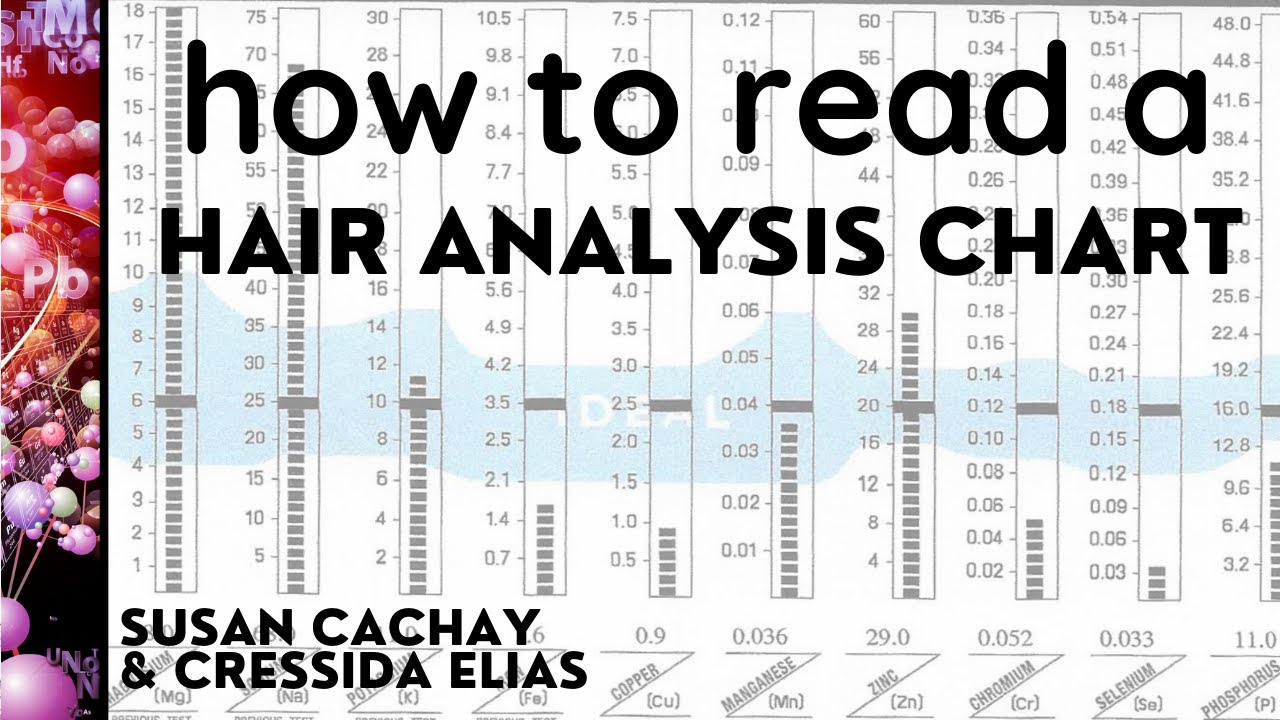
A Hair Mineral Analysis Report is a laboratory document created after a small hair sample is tested. The laboratory measures the amount of essential minerals and unwanted heavy metals found inside the hair. Hair stores minerals over several months. This allows the report to present a longer picture of mineral balance compared with many other testing methods.
The report helps identify nutritional patterns that may influence physical health and mental wellbeing. Many health practitioners use these reports to create personal nutritional balancing plans that improve long term wellness.
The first section of most reports lists essential minerals. These minerals support many important body functions every day. Calcium helps maintain strong bones and healthy muscles. Magnesium supports relaxation and energy production. Sodium helps maintain fluid balance while potassium supports nerve communication. Zinc strengthens the immune system and supports healthy skin.
Copper helps with blood formation and brain health. Iron carries oxygen throughout the body. Every mineral works together with others. A high or low value does not always mean there is a health problem. The complete mineral pattern gives the most useful information.
Mineral ratios are one of the most important parts of a Hair Mineral Analysis Report. These ratios compare two minerals to show how well they work together. A balanced ratio often provides better information than looking at one mineral alone. The calcium to magnesium ratio may provide insight into muscle relaxation and nervous system activity.
The sodium to potassium ratio may reflect stress response and adrenal function. The calcium to potassium ratio may indicate how effectively cells respond to important hormones. Professionals study these relationships because balanced mineral ratios often support better health than isolated mineral values.
Many Hair Mineral Analysis Reports also measure heavy metals. These unwanted elements may enter the body through food water air workplace exposure or environmental pollution. Common heavy metals include mercury lead cadmium aluminum and arsenic. High levels may place extra stress on the body over time.
The report shows whether these metals appear within expected ranges or above recommended levels. Elevated heavy metals do not always confirm illness. They simply provide useful information that may require additional professional evaluation and proper nutritional support.

Many people focus only on one mineral after receiving their report. This approach may create unnecessary concern. The body works as a complete system where every mineral influences another. A person may have normal magnesium levels but poor calcium balance. Another person may show healthy zinc levels but excessive copper.
These relationships affect metabolism energy production immune response and hormone regulation. Experienced practitioners study the complete report instead of isolated numbers. This broader view often provides a clearer understanding of overall nutritional health.
Many reports reveal similar mineral patterns among different individuals. Some people show signs of mineral depletion because of poor nutrition chronic stress or digestive problems. Others display mineral excess caused by environmental exposure or long term supplement use. Some reports suggest possible adrenal stress while others indicate slow metabolic activity.
Heavy metal accumulation may also appear in certain individuals depending on lifestyle and occupational exposure. These patterns help practitioners create personalized nutritional balancing programs that support gradual improvement instead of temporary solutions.
Nutritional balancing is a structured approach that uses the information found in a Hair Mineral Analysis Report. Practitioners review mineral levels mineral ratios and heavy metal results before preparing a personal wellness plan. The plan may include dietary improvements carefully selected supplements healthy lifestyle habits and stress management techniques.
Some individuals may also receive specific Endomet supplements based on their unique mineral patterns. The purpose is to restore natural mineral balance through steady nutritional support rather than quick temporary changes. Regular follow up testing helps measure progress over time.
Many people misunderstand their Hair Mineral Analysis Report because they try to interpret every value without professional guidance. One common mistake is believing that one high mineral automatically means good health. Another mistake is assuming that every low value requires immediate supplementation. Taking supplements without proper guidance may disturb mineral balance even further.
Some people also ignore mineral ratios and focus only on individual results. Others compare their report with another person even though every body has different nutritional needs. Reading the report carefully while considering the complete mineral picture leads to more accurate understanding and better health decisions.

A Hair Mineral Analysis Report is a laboratory report that measures essential minerals and heavy metals found in a hair sample. It helps evaluate long term mineral balance and nutritional health.
When performed by a trusted laboratory and interpreted by a trained practitioner a Hair Mineral Analysis Report can provide valuable information about mineral patterns and possible heavy metal exposure.
Most reports measure calcium magnesium sodium potassium zinc copper iron selenium manganese and several other essential minerals. They also test for heavy metals such as mercury lead cadmium and aluminum.
Yes. Hair Mineral Analysis can identify the presence of several heavy metals that may have accumulated in the body over time through food water air or environmental exposure.
Many practitioners recommend repeating the test every three to six months to monitor changes in mineral balance and evaluate progress during a nutritional balancing program.
Learning how to read a Hair Mineral Analysis Report is an important step toward understanding your nutritional health. The report provides valuable information about essential minerals mineral relationships and possible heavy metal exposure. Every section contributes to a complete picture of how your body may be functioning over several months. Understanding these results helps you make informed choices about nutrition lifestyle improvements and professional guidance.
Hair Mineral Analysis becomes even more valuable when combined with nutritional balancing and appropriate health recommendations. Instead of worrying about individual numbers focus on the complete mineral pattern because balanced nutrition often creates the strongest foundation for lasting health and wellbeing.