
Many people want better answers about their health because common tests do not always explain every concern. Low energy poor sleep poor focus weak hair and slow recovery can affect daily life. This creates interest in new ways to understand body function. One popular option is hair mineral testing. This method studies the mineral content found in a small hair sample. The results may help show mineral patterns that support a wider health review.
Hair mineral testing has gained strong attention across the health and wellness field. Many nutrition experts and functional health practitioners use this assessment to understand mineral balance and possible heavy metal exposure. While it is not designed to replace medical diagnosis it can provide useful information when combined with health history symptoms and professional advice.
Many people ask one important question. Is hair mineral testing worth it? The answer depends on personal health goals expectations and how the results are used. This guide explains the benefits the limits the process and the reasons many people choose hair mineral testing as part of their wellness journey.
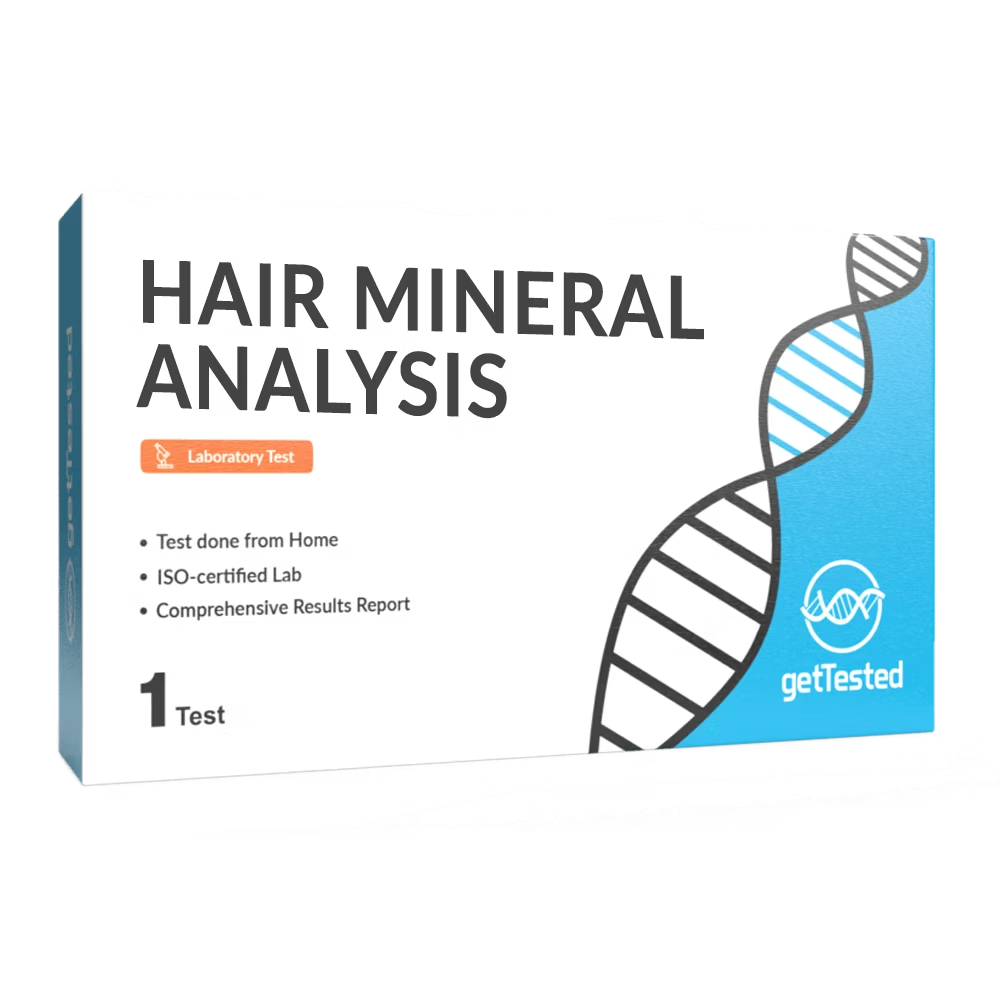
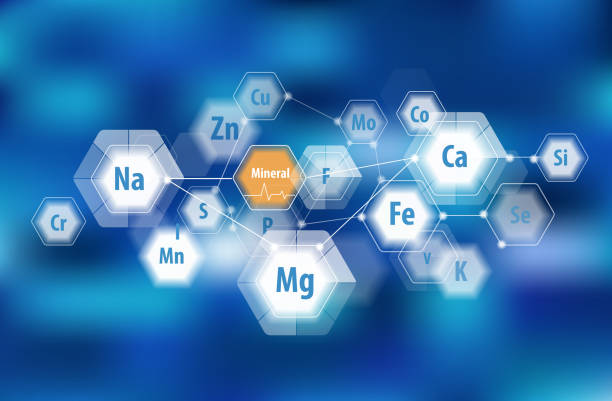
Hair mineral testing is a laboratory assessment that measures minerals stored inside a hair sample. Hair grows over several months which allows it to record mineral activity during that period. This makes it different from blood tests that often show only current mineral levels. The laboratory examines essential minerals such as calcium magnesium zinc sodium potassium copper and iron. Some tests also measure heavy metals such as mercury lead arsenic and aluminum. These findings help create a picture of mineral balance inside the body.
The process is simple. A small amount of clean hair is collected from the back of the head. The sample is sent to a laboratory where advanced equipment measures mineral levels with high precision. The report is then reviewed by a qualified practitioner who explains the findings.
Minerals support almost every function inside the human body. They help create energy support healthy muscles protect nerves strengthen bones and maintain proper hormone activity. Every mineral works together with other minerals. When one mineral becomes too high or too low the entire balance can change. Calcium supports strong bones and healthy muscles. Magnesium helps produce energy and supports restful sleep. Zinc supports immune health and tissue repair.
Potassium and sodium help control hydration and nerve signals. Copper supports blood vessel health and many important enzymes. Poor eating habits stress digestive problems and environmental exposure can affect mineral balance over time. Hair mineral testing helps identify these patterns before they become more serious. Better understanding may lead to improved nutrition and healthier daily habits.
Hair mineral testing offers several advantages for people who want a deeper understanding of their nutritional health. One major benefit is the ability to examine long term mineral patterns instead of temporary changes. The test may reveal mineral imbalances that could explain symptoms such as tiredness poor concentration muscle weakness low mood and reduced physical performance. Many people also use the results to improve food choices and nutritional plans.
Hair mineral testing can also identify possible heavy metal exposure. Long term contact with mercury lead cadmium or aluminum may affect overall wellness. Early awareness allows individuals to reduce exposure and discuss suitable health strategies with qualified professionals. The testing process is painless simple and noninvasive. No needles or blood collection are required. This makes the assessment comfortable for adults children and older individuals.
Heavy metal exposure has become a growing concern because modern life includes many possible environmental sources. Air water food industrial pollution old paint and some seafood may contain harmful metals. Hair mineral testing is often used to measure long term exposure to heavy metals. Since hair stores minerals during growth it can provide useful information about exposure over several months. Many functional health practitioners consider this valuable when reviewing environmental health risks.
The report may identify metals such as mercury lead arsenic cadmium and aluminum. Elevated levels do not always confirm illness but they may encourage further investigation. A healthcare professional can recommend additional testing if necessary. Reducing heavy metal exposure often includes healthier food choices cleaner water improved workplace safety and professional guidance. Hair mineral testing can become an important first step for people seeking greater awareness.

Hair mineral testing may help many different groups of people. Individuals with ongoing fatigue may wish to explore possible mineral imbalance. People with digestive concerns may also benefit because poor digestion can reduce mineral absorption. Athletes often use mineral testing to support recovery energy production and physical performance. Women experiencing hormonal changes sometimes seek mineral evaluation because minerals influence hormone activity. Older adults may also benefit from understanding nutritional balance during healthy aging.
Parents sometimes request hair mineral testing for children when nutritional concerns exist. Every situation should be reviewed with a qualified healthcare professional who can explain whether testing is appropriate. People who follow restrictive diets may also use hair mineral testing to identify possible nutritional gaps. Better information often supports better dietary decisions and long term wellness goals.
Many people wonder about the accuracy of hair mineral testing. The quality of results depends on several important factors. Proper sample collection laboratory standards and professional interpretation all influence reliability. Hair samples should be clean and free from chemical contamination whenever possible. Laboratories that follow strict scientific procedures usually produce more dependable reports. Selecting an experienced laboratory is therefore very important.
Hair mineral testing should never be viewed as a single answer for every health concern. Instead it works best as one part of a complete health assessment. Medical history physical symptoms lifestyle habits and other laboratory findings should also be considered. Qualified practitioners understand how to interpret mineral relationships instead of focusing only on individual numbers. This balanced approach improves the value of the report.
Blood tests remain essential for diagnosing many medical conditions. They provide important information about current nutrient levels infection organ function and many other health markers. However blood mineral levels are tightly controlled by the body. Hair mineral testing offers a different perspective because it reflects mineral storage over a longer period. This allows practitioners to examine long term nutritional trends instead of temporary changes.
Neither method should replace the other. Each serves a different purpose. Many health professionals use both assessments together when appropriate. This combination often provides a broader understanding of nutritional status and overall health. Choosing the right test depends on personal symptoms health goals and professional advice. Understanding the strengths of each method helps people make informed decisions.
Hair mineral testing can be valuable for people who want deeper insight into nutritional balance and possible heavy metal exposure. It offers useful information that may support healthier food choices better supplement planning and improved lifestyle habits. The greatest value comes when the report is interpreted by a qualified practitioner. Professional guidance helps connect laboratory findings with personal health history and current symptoms. This reduces confusion and supports practical action.
People expecting a complete medical diagnosis from hair mineral testing may become disappointed because the assessment has specific purposes and limitations. However individuals seeking additional wellness information often find the results helpful. When combined with balanced nutrition regular exercise quality sleep stress management and professional healthcare hair mineral testing may become an important part of a long term wellness strategy.

Hair mineral testing is a laboratory analysis that measures essential minerals and possible heavy metals in a hair sample. It helps evaluate long term mineral balance and nutritional status.
Hair mineral testing can provide valuable information when the sample is collected correctly and analyzed by a reputable laboratory. The results should always be interpreted by a qualified health professional.
Yes. Hair mineral testing can measure long term exposure to heavy metals such as mercury lead arsenic cadmium and aluminum.
People with ongoing fatigue stress nutritional concerns digestive issues poor sleep or suspected heavy metal exposure may benefit from hair mineral testing.
No. Hair mineral testing does not replace blood tests. Both tests provide different information and may work together to give a broader understanding of health.
Hair mineral testing continues to attract attention because it provides valuable insight into mineral balance and possible heavy metal exposure. The test is simple painless and suitable for many people seeking better nutritional awareness. Although it should not replace medical diagnosis it can complement other health assessments and provide useful long term information.
The true value of hair mineral testing depends on realistic expectations professional interpretation and thoughtful use of the results. Individuals who combine testing with healthy daily habits and expert guidance often gain a better understanding of their nutritional needs. For many people this makes hair mineral testing a worthwhile investment in long term health and overall wellbeing.