
Health depends on many factors yet mineral balance remains one of the most important. Every cell needs the right amount of essential minerals to perform daily functions. When these minerals become unbalanced the body may struggle with energy mood sleep digestion and many other concerns. Hair Tissue Mineral Analysis offers a simple method that helps reveal long term mineral patterns inside the body. Unlike many other tests this method studies minerals stored in the hair over several weeks or months.
This wider picture allows trained practitioners to understand nutritional status with greater clarity. Many people choose this approach because it supports better wellness planning without invasive procedures. Hair Tissue Mineral Analysis also helps identify possible heavy metal exposure that may affect overall health. Understanding these patterns creates a strong foundation for better nutrition and healthier lifestyle choices. This guide explains the top benefits of Hair Tissue Mineral Analysis and why many people consider it a valuable wellness tool.

Hair Tissue Mineral Analysis often called HTMA is a laboratory test that measures the levels of minerals and certain heavy metals found in a small hair sample. Hair naturally stores minerals as it grows which creates a record of mineral activity over time. This makes the test useful for studying long term nutritional trends rather than short term changes.
The laboratory examines the hair sample using advanced equipment that provides detailed mineral readings. A qualified practitioner then reviews the results and explains how mineral relationships may influence health. The information can help create a personalized nutritional plan that supports better balance throughout the body.
One of the greatest benefits of Hair Tissue Mineral Analysis is its ability to show long term mineral status. Blood tests often reflect what happened during recent hours or days. Hair samples provide a broader picture because hair grows slowly over time. This long term view helps practitioners understand patterns that may not appear in other testing methods.
Mineral levels can change because of diet stress lifestyle or environmental exposure. Hair analysis captures these changes across several months which offers valuable insight into nutritional balance. Many people appreciate this broader perspective because it supports more informed wellness decisions and encourages a deeper understanding of overall health.
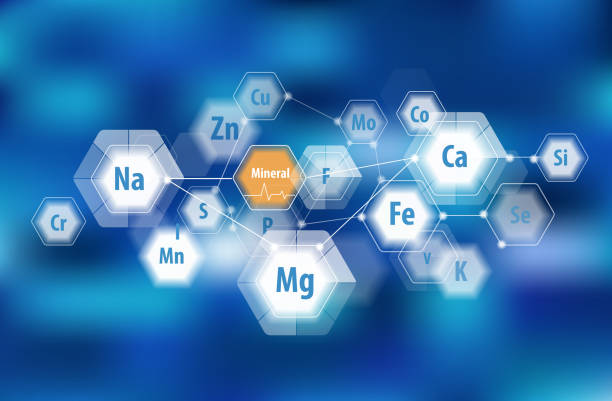
Minerals perform thousands of important tasks inside the body. They support muscles nerves bones hormones digestion and energy production. Even small mineral imbalances may affect how the body functions. Hair Tissue Mineral Analysis measures important minerals such as calcium magnesium sodium potassium zinc copper iron and many others.
The report also evaluates the relationships between these minerals because balance often matters more than individual numbers. Finding these imbalances early allows people to improve nutrition through better food choices lifestyle changes and professional guidance. Correcting mineral balance may support stronger health over time.
Heavy metals may enter the body through food water air or workplace exposure. Some metals can slowly accumulate over many years without causing immediate symptoms. Hair Tissue Mineral Analysis can identify certain heavy metals that become stored in hair as it grows. Common heavy metals measured may include mercury lead arsenic cadmium and aluminum.
High levels do not always confirm illness yet they may suggest the need for further evaluation by a healthcare professional. Learning about possible heavy metal exposure helps individuals make informed decisions about reducing future exposure and improving overall wellness through proper nutritional support.

Every person has unique nutritional needs. A general diet plan may not provide the same benefits for everyone. Hair Tissue Mineral Analysis helps create a more personalized approach by showing how minerals interact inside the body. A practitioner can use the report to recommend foods that support healthier mineral balance. Some people may need more magnesium while others may benefit from additional zinc or potassium depending on their results.
Personalized nutrition often improves consistency because recommendations match individual needs instead of following a one size fits all approach. This makes long term wellness plans more practical and sustainable.
Many people seek Hair Tissue Mineral Analysis because they want to improve energy and overall wellness. Mineral balance influences how the body produces energy throughout the day. Poor mineral status may contribute to tiredness reduced focus and lower physical performance. Although Hair Tissue Mineral Analysis does not diagnose medical conditions it provides useful information that supports healthier nutrition and lifestyle decisions.
Better mineral balance may help improve general wellbeing when combined with professional advice healthy eating regular exercise and quality sleep. Many individuals report feeling more balanced after following personalized nutritional guidance based on their hair analysis results.
Hair Tissue Mineral Analysis often motivates people to become more aware of their daily habits. Test results may encourage healthier eating improved hydration better sleep and reduced exposure to environmental toxins. Many people also become more interested in whole foods because natural foods provide essential minerals that support body functions.
Regular physical activity stress management and proper rest further improve the effectiveness of nutritional balancing. Healthy habits work together with professional guidance to create lasting improvements that benefit both physical and mental wellbeing.
Hair Tissue Mineral Analysis can also be useful for tracking progress over time. Since mineral balance changes gradually many practitioners recommend repeat testing after several months to evaluate improvements. Follow up reports allow individuals to compare results and see how dietary changes supplements and healthier habits influence mineral levels.
This ongoing monitoring helps keep wellness plans effective and encourages continued commitment to healthier living. Regular evaluation also provides greater confidence because progress becomes easier to measure through consistent testing.
Interest in preventive health continues to grow across the world. Many individuals prefer learning about nutritional balance before serious health problems develop. Hair Tissue Mineral Analysis fits well within this preventive approach because it offers valuable information using a simple noninvasive hair sample. The test is painless convenient and suitable for many adults and children.
Hair collection takes only a few minutes and samples can often be collected at home before being sent to a professional laboratory. People also appreciate receiving personalized information rather than relying on general health advice. Understanding mineral balance allows individuals to make smarter choices that support long term wellness and healthier daily living.

Hair Tissue Mineral Analysis is a laboratory test that measures essential minerals and certain heavy metals found in a small hair sample. It helps evaluate long term mineral balance and nutritional health.
The test can measure important minerals such as calcium magnesium zinc and potassium. It can also identify certain heavy metals including mercury lead arsenic and cadmium.
When performed by a trusted laboratory and interpreted by a qualified practitioner Hair Tissue Mineral Analysis provides valuable information about long term mineral patterns and possible heavy metal exposure.
People who want to understand their mineral status improve nutritional balance or learn about possible heavy metal exposure may benefit from Hair Tissue Mineral Analysis.
No. Hair Tissue Mineral Analysis is a nutritional assessment tool. It does not diagnose medical conditions. It should be used alongside professional medical advice and clinical evaluation.
Hair Tissue Mineral Analysis has become an important wellness tool for people who want a deeper understanding of their nutritional health. The test provides a long term view of mineral balance while also identifying possible heavy metal exposure. It supports personalized nutrition encourages healthier lifestyle choices and helps monitor progress over time. Although Hair Tissue Mineral Analysis should not replace professional medical diagnosis or treatment it offers valuable information that complements a complete wellness plan.
Working with a qualified practitioner helps ensure accurate interpretation and practical recommendations based on individual needs. Better mineral balance can support stronger energy improved wellbeing and healthier daily function. For anyone seeking a more personalized approach to nutrition and preventive health Hair Tissue Mineral Analysis offers a reliable starting point toward long term wellness.