Understanding your health begins with knowing what your body needs. Many people want clear answers about mineral levels nutrient status and possible toxic metal exposure. Two common testing methods are the Hair Mineral Test and the Blood Test. Each method serves a different purpose and provides different information. Choosing the right option depends on your health goals and the type of results you need.
A Hair Mineral Test studies minerals and heavy metals stored in the hair over time. A Blood Test measures substances that are present in the bloodstream at the time of the test. Both methods can support better health decisions when used correctly. Many health professionals use both tests together because they provide different types of information. This guide explains how each test works along with their strengths and limitations. It also helps you understand which option may be better for your personal health journey.
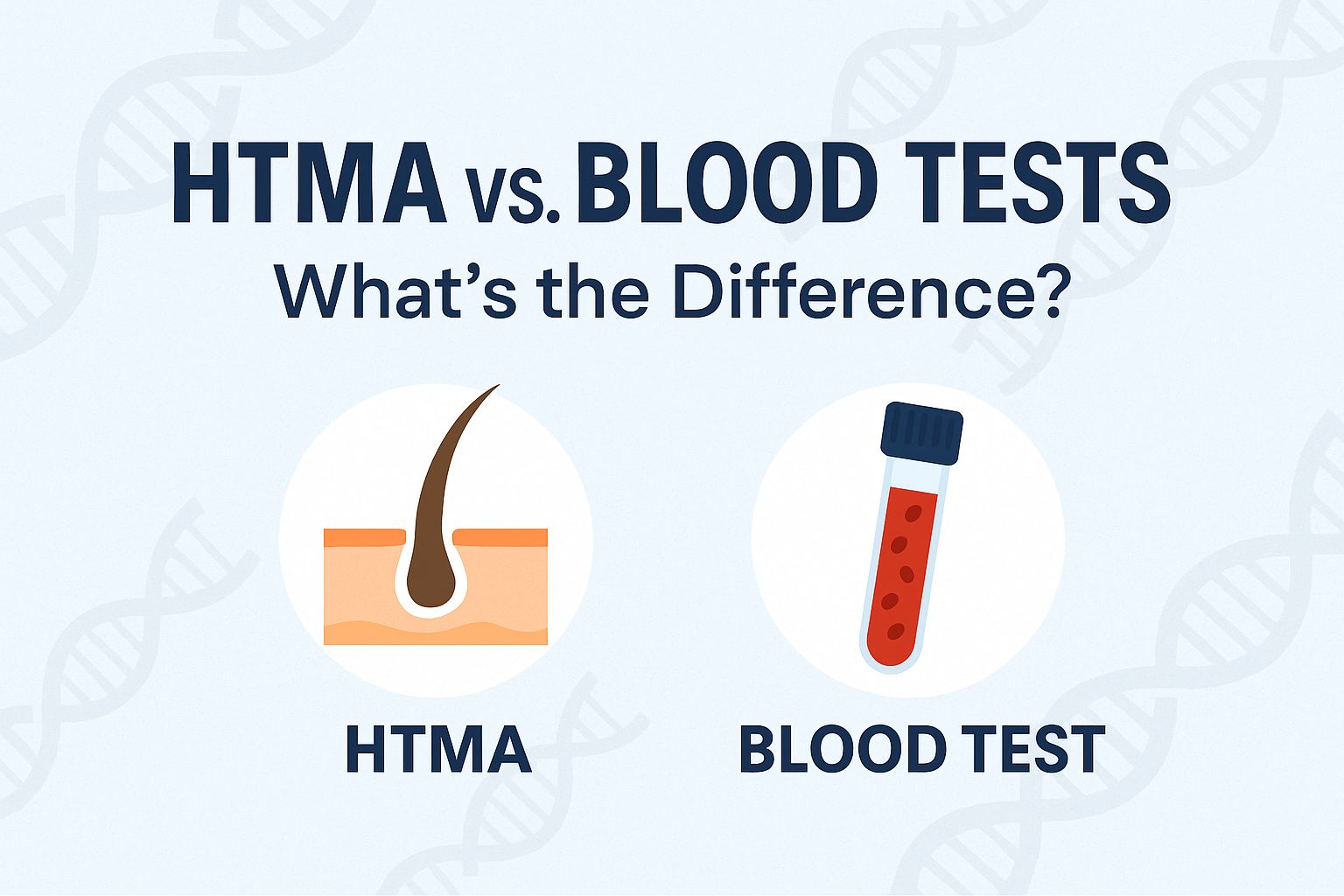
A Hair Mineral Test is also known as Hair Tissue Mineral Analysis or HTMA. It examines a small hair sample collected from the back of the head. The sample is sent to a certified laboratory where advanced equipment measures important minerals and possible heavy metals.
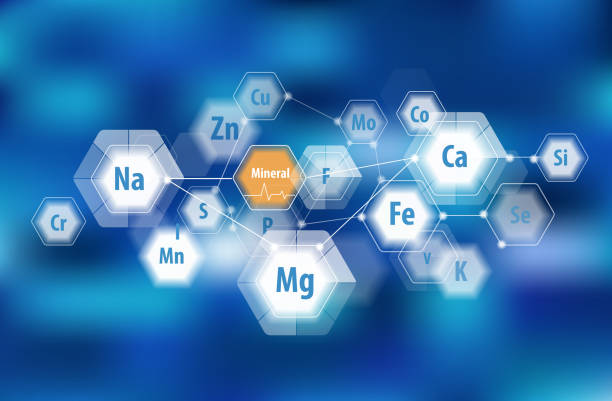
Unlike a Blood Test this method reflects mineral patterns that have developed over several months. Hair stores minerals as it grows which allows specialists to observe long term nutritional changes. The report usually includes minerals such as calcium magnesium zinc copper sodium potassium iron and selenium. It may also detect heavy metals including mercury lead arsenic cadmium and aluminum.
Many wellness professionals use Hair Mineral Analysis to identify mineral imbalances and create personalized nutritional balancing programs.
A Blood Test is one of the most common medical tools used around the world. A healthcare professional collects a blood sample from a vein and sends it to a laboratory for examination. Blood testing measures substances circulating in your body at the time of collection. Doctors often request blood tests to evaluate infections vitamin levels hormone balance blood sugar cholesterol kidney function liver health and many other medical conditions.
Blood tests are highly valuable for diagnosing acute illnesses because they provide immediate information about your current health status. They are widely accepted in hospitals clinics and medical centers across many countries.
The biggest difference between these two methods is the time period they represent. A Blood Test provides a snapshot of your present condition. Mineral levels can change throughout the day because of meals stress exercise medication and hydration. A Hair Mineral Test reflects mineral storage over several months. Hair grows slowly which allows the laboratory to evaluate long term nutritional trends instead of temporary changes.
Another important difference involves heavy metal exposure. Heavy metals often leave the bloodstream and settle inside tissues. Because hair collects these elements during growth Hair Mineral Analysis may reveal long term exposure that a Blood Test could miss after the metals have moved away from the blood. Both methods have value because they answer different health questions.
Hair Mineral Testing offers several advantages for people interested in preventive wellness and nutritional balancing. The collection process is simple and painless. No needles are required which makes the test comfortable for adults and children. The test evaluates long term mineral patterns instead of temporary fluctuations. This information helps practitioners understand how the body has managed nutrients during previous months. Hair analysis also measures several toxic metals within one report. This supports people who suspect environmental exposure through food water workplace conditions or household products.
Many practitioners use Hair Mineral Analysis to design personalized nutrition plans. They recommend dietary changes lifestyle improvements and targeted supplements based on the laboratory findings. The test is especially useful for people experiencing ongoing fatigue stress poor concentration sleep problems digestive concerns or unexplained health challenges.
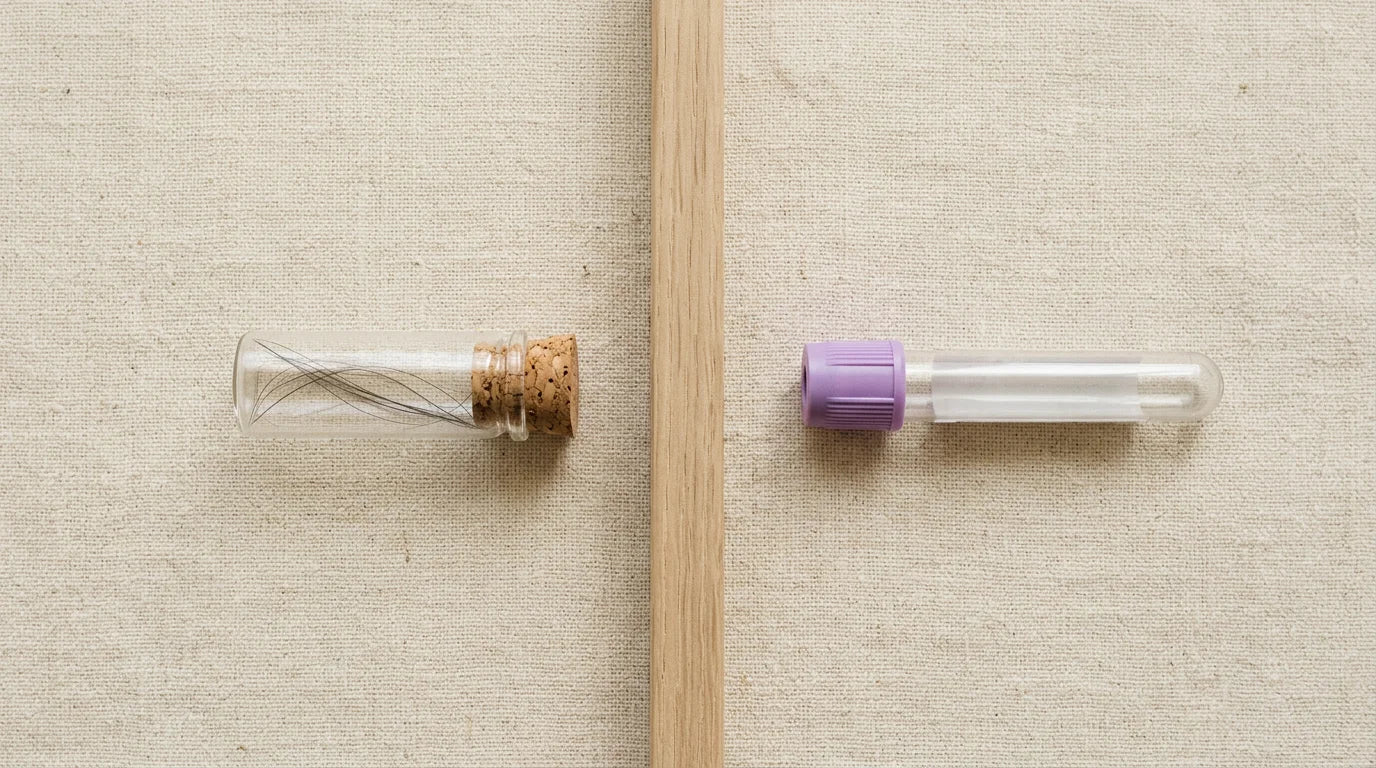
Blood testing remains an essential part of modern healthcare because it provides valuable medical information. Doctors use Blood Tests to detect infections anemia diabetes thyroid disorders heart disease liver disease kidney problems and many other conditions. Results are available quickly which supports fast medical decisions. Blood Tests also measure vitamins hormones inflammatory markers cholesterol glucose and immune activity. These findings help physicians diagnose disease monitor treatment and evaluate recovery.
Medical guidelines around the world rely heavily on Blood Testing because extensive scientific research supports its use for many clinical situations. For emergency care and active illness Blood Tests are often the first choice because they show what is happening inside the bloodstream right now.
If your goal is understanding long term mineral balance then a Hair Mineral Test often provides more detailed information. Hair stores minerals over time which allows practitioners to observe patterns rather than short lived changes. Mineral balancing focuses on relationships between minerals instead of single nutrient values. Hair analysis helps identify these relationships and supports personalized nutrition strategies.
Blood Tests remain useful because they identify severe mineral deficiencies and medical conditions requiring immediate treatment. However blood mineral levels are tightly controlled by the body. A normal blood result does not always mean mineral storage inside tissues is optimal. Many nutritional balancing practitioners therefore prefer Hair Mineral Analysis when evaluating mineral patterns that influence energy stress response metabolism and general wellness.
Heavy metal exposure is becoming a growing concern because people encounter toxic substances through food water pollution industrial environments and household materials. Blood Tests detect recent exposure because heavy metals remain in the bloodstream only for a limited period before moving into tissues. Hair Mineral Tests evaluate heavy metals deposited into growing hair over several months. This longer record helps identify possible ongoing exposure and accumulation.
Many functional health practitioners recommend Hair Mineral Analysis for individuals concerned about mercury lead arsenic cadmium or aluminum. The results may support lifestyle changes nutritional improvements and professional detox guidance when appropriate. Neither test should replace medical advice. Interpretation should always occur within the context of personal health history and professional evaluation.
Choosing between a Hair Mineral Test and a Blood Test depends on what you want to learn. If you have sudden symptoms infection severe illness unexplained pain or a medical emergency then a Blood Test is usually the most appropriate choice. It provides rapid information that supports diagnosis and treatment. If you want to understand mineral balance nutritional status long term wellness or possible heavy metal exposure then a Hair Mineral Test may provide more useful insights.
Many people benefit from combining both methods. Blood Tests evaluate present health while Hair Mineral Analysis reveals longer term mineral patterns. Together they offer a broader understanding of your body. Before selecting any test discuss your health concerns with a qualified healthcare professional who can recommend the most appropriate evaluation for your situation.
A Hair Mineral Test measures long term mineral balance and heavy metal exposure through a hair sample. A Blood Test measures current levels found in the bloodstream.
A Hair Mineral Test is often better for identifying long term heavy metal exposure because toxic metals can remain stored in hair after leaving the bloodstream.
No. Both tests have different purposes. A Blood Test is important for diagnosing many medical conditions while a Hair Mineral Test helps evaluate mineral patterns and nutritional balance.
A Hair Mineral Test can provide useful information when performed by a certified laboratory and interpreted by a qualified healthcare professional.
People with ongoing fatigue stress poor sleep nutrient concerns or possible heavy metal exposure may benefit from a Hair Mineral Test as part of a complete health assessment.
The question of whether a Hair Mineral Test or a Blood Test is better does not have one simple answer. Each method serves a different purpose and offers unique advantages. Blood Tests provide immediate information about your current health and play a vital role in medical diagnosis. Hair Mineral Tests examine long term mineral balance and heavy metal exposure which can support nutritional planning and preventive wellness.
If your main goal is improving mineral balance identifying nutritional trends or exploring possible heavy metal accumulation then Hair Mineral Analysis may offer valuable insights that Blood Tests cannot always provide. If you need rapid medical evaluation or diagnosis of an active health condition then Blood Testing remains the preferred option.
The best approach is choosing the test that matches your health goals while seeking guidance from qualified healthcare professionals. By understanding the strengths of both methods you can make informed decisions that support better health stronger nutrition and long term wellbeing.