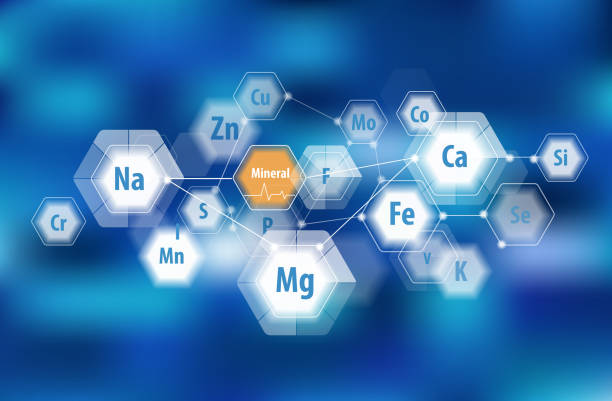

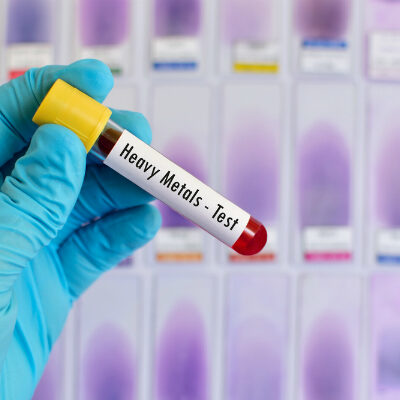
Heavy metals can quietly build inside the human body over many years. Most people never realize this hidden problem because the early symptoms often appear mild and confusing. Low energy poor focus weak immunity poor sleep digestive discomfort and constant tiredness may develop without an obvious cause. Many people spend years searching for answers while the real issue remains unnoticed. This is where hair analysis has gained strong attention among health professionals and wellness experts. Hair Mineral Analysis is a simple noninvasive method that studies the mineral content inside a small hair sample.
The test can also show patterns that may suggest long term exposure to certain heavy metals. Many people ask whether hair analysis can truly detect heavy metals and whether the results can help improve overall health. The answer depends on several important factors including proper laboratory methods professional interpretation and a complete health assessment. Understanding how hair analysis works can help people make informed decisions about their health and wellness journey.
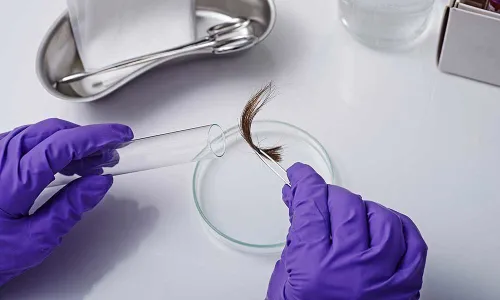
Hair analysis is a laboratory test that examines the mineral content found within a hair sample. Human hair stores minerals and trace elements as it grows. This unique process creates a historical record of mineral activity over several months instead of showing only a single moment like many traditional laboratory tests.
The laboratory carefully measures essential minerals such as calcium magnesium sodium potassium zinc copper iron and many other elements. At the same time the laboratory may also measure toxic metals including mercury lead arsenic cadmium and aluminum. These findings create a detailed mineral profile that trained practitioners can study to understand nutritional balance and possible toxic metal exposure.
Hair analysis does not replace medical diagnosis. Instead it provides additional information that supports a wider understanding of mineral health and long term exposure patterns.
Heavy metals exist naturally in the environment. Modern life has increased daily exposure through many common sources. People may come into contact with heavy metals through food drinking water air pollution household products industrial work dental materials cosmetics seafood and contaminated soil. Small amounts of exposure may not create immediate health problems. Continuous exposure over many years can allow heavy metals to build inside body tissues.
Every person responds differently depending on age nutrition lifestyle genetics and overall health. Some heavy metals perform useful biological functions in tiny amounts. Others have no known health benefit and may interfere with normal body processes when their levels become too high. This is why early detection has become an important part of preventive wellness for many individuals.
Yes hair analysis can detect several heavy metals that become incorporated into the hair shaft during hair growth. As hair grows it receives minerals and trace elements from the bloodstream. These substances remain locked inside the hair structure after growth continues. Hair analysis can identify exposure to metals such as mercury lead arsenic cadmium aluminum and several others. Since hair grows slowly the test often reflects exposure over several months rather than showing only recent contact.
This long term view makes hair analysis valuable for people who suspect ongoing environmental or occupational exposure. Many practitioners use hair mineral analysis as part of a broader health evaluation that also considers symptoms medical history diet lifestyle and additional laboratory testing when necessary. It is important to understand that hair analysis should always be interpreted by qualified professionals who understand mineral relationships and laboratory standards.
Modern laboratories can measure many toxic elements with advanced testing equipment. Mercury is one of the most common metals evaluated because frequent seafood consumption and certain industrial exposures may increase body levels. Lead is another important metal that may appear in hair samples. Older buildings contaminated soil industrial workplaces and some water systems remain possible sources of exposure.
Arsenic may enter the body through contaminated water certain foods or environmental pollution. Cadmium exposure may result from cigarette smoke industrial work or contaminated food sources. Aluminium also receives attention because it appears in some consumer products food additives and environmental sources. Hair analysis may detect these metals while also showing mineral patterns that help explain how the body responds to long term exposure.
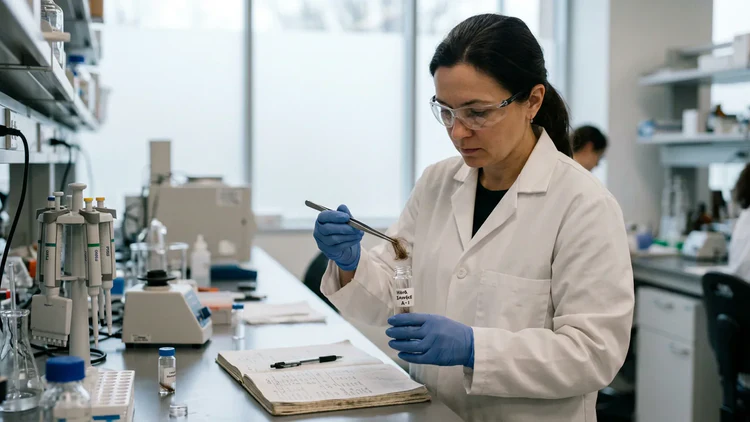
Hair analysis offers several advantages for people interested in understanding mineral balance and possible toxic exposure. The collection process is simple painless and noninvasive. Only a small hair sample is required which makes the procedure comfortable for adults and children. Another important benefit is the ability to evaluate long term exposure. Blood testing often reflects only recent exposure while hair records information throughout the hair growth period. This broader timeline provides useful insight into ongoing exposure patterns.
Hair analysis also measures essential minerals during the same examination. This allows practitioners to study relationships between minerals and toxic metals instead of viewing each element independently. Better understanding of these interactions may support more personalized nutritional recommendations. The test also allows individuals to monitor changes over time after improving diet reducing environmental exposure or following nutritional balancing programs.
Receiving a laboratory report is only the first step. Proper interpretation is much more important than the numbers alone. Mineral balance involves complex relationships that require professional evaluation. For example one mineral may appear normal while another mineral changes its biological activity. Heavy metals may also influence how essential minerals function throughout the body. Looking at isolated numbers without considering these relationships may create unnecessary confusion.
Qualified practitioners review mineral ratios toxic metal levels health history symptoms lifestyle and nutritional habits before developing personalized recommendations. They may suggest dietary improvements lifestyle adjustments nutritional supplements or additional medical evaluation depending on the individual situation. The goal is not simply to identify heavy metals but to understand the overall mineral picture that supports better long term health.
Hair analysis does not directly treat illness or remove heavy metals from the body. Its greatest value lies in providing information that supports better decision making. When mineral imbalances or toxic metal exposure become visible people can work with qualified professionals to create a personalized wellness strategy. Many individuals use hair analysis to guide nutritional balancing programs. These programs often focus on improving mineral intake supporting healthy digestion encouraging natural detoxification pathways and reducing future exposure to environmental toxins.
People may also discover dietary habits that require adjustment. Better food choices proper hydration balanced nutrition stress management and healthy lifestyle practices may all contribute to improved mineral balance over time. Regular follow up testing allows progress to be monitored while nutritional plans are adjusted according to changing mineral patterns.
The quality of the laboratory plays a major role in obtaining meaningful results. A reputable laboratory follows strict scientific procedures quality control standards and advanced analytical methods. Accurate sample preparation and precise laboratory equipment help improve consistency. People should choose experienced practitioners who understand Hair Mineral Analysis rather than relying on self-interpretation. Professional guidance helps avoid misunderstanding and ensures recommendations fit individual health needs.
Before collecting a sample it is also important to follow preparation instructions carefully. Certain hair treatments cosmetic products or contaminated samples may affect test quality. Following laboratory guidelines helps produce more reliable results for professional evaluation. Choosing trusted laboratories and qualified practitioners increases confidence in the testing process while supporting better long term health decisions.
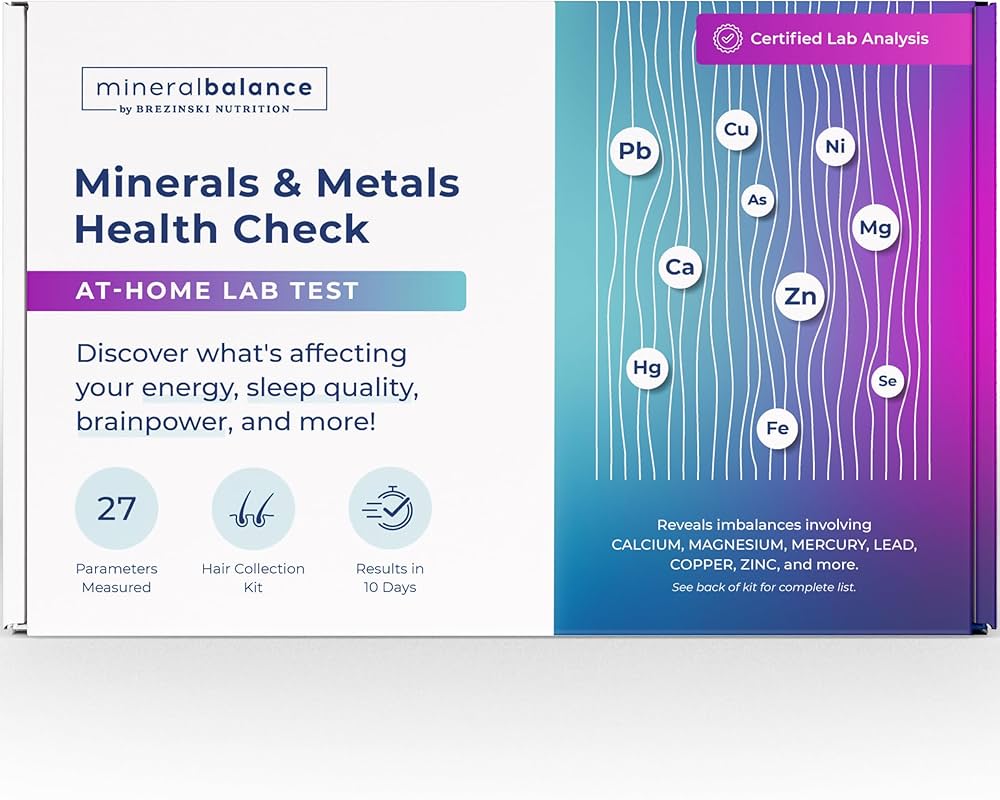
Yes. Hair analysis can detect several heavy metals such as mercury lead arsenic cadmium and aluminum that become stored in the hair during growth.
Hair Mineral Analysis can provide useful information when the sample is tested by a qualified laboratory and interpreted by an experienced practitioner.
Hair analysis may identify mercury lead arsenic cadmium aluminum and other toxic elements depending on the laboratory and testing panel.
A small amount of clean hair is cut close to the scalp from the back of the head. The sample is then sent to a laboratory for analysis.
No. Hair analysis is not a replacement for blood tests or medical diagnosis. It is often used as a complementary tool to evaluate long term mineral balance and possible heavy metal exposure.
Hair analysis has become an important wellness tool for evaluating mineral balance and detecting possible long term exposure to heavy metals. The test offers a simple noninvasive method that measures both essential minerals and toxic elements from a small hair sample. While hair analysis should never replace medical diagnosis it provides valuable information that complements a complete health assessment.
Professional interpretation remains essential because mineral relationships are often complex and require careful evaluation. When combined with healthy nutrition proper lifestyle habits and expert guidance Hair Mineral Analysis can help people understand their mineral status identify possible toxic exposure and make informed choices that support better health for the future.